Activities

Upcoming Activities

2026

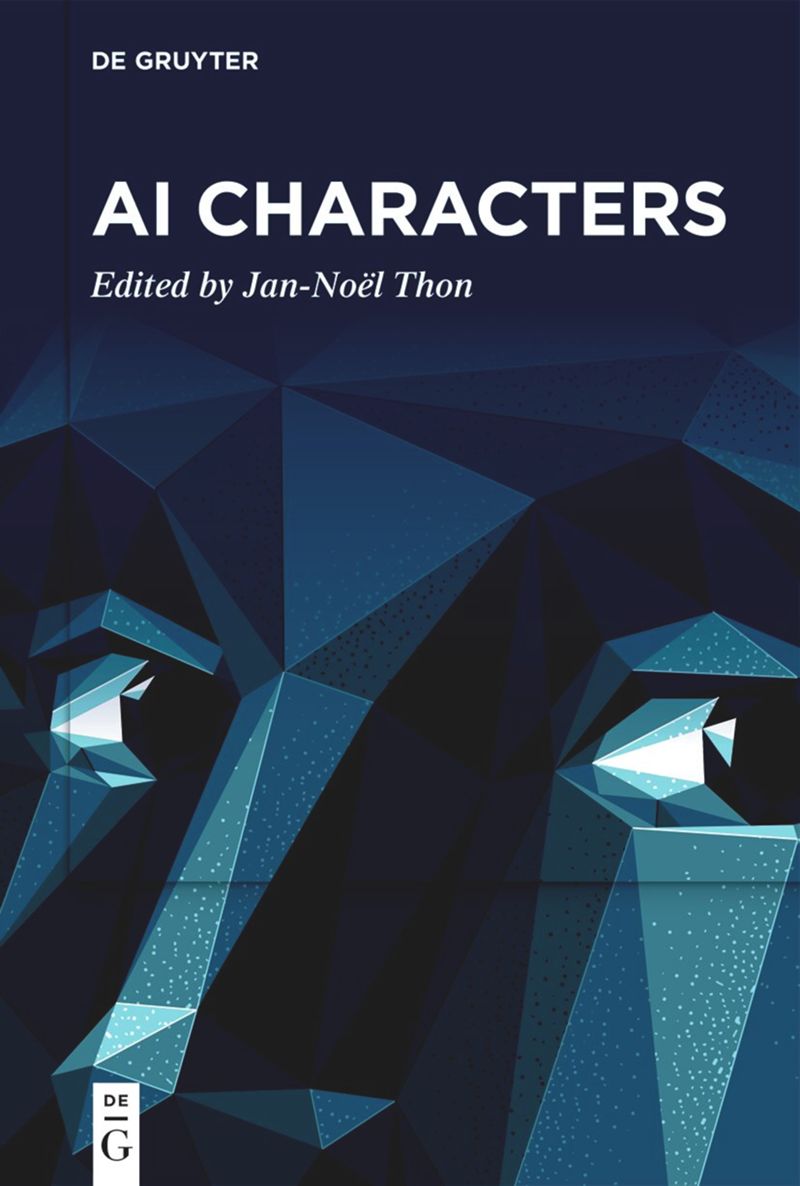
Edited Volume: AI Characters

It has become something of a cliché to introduce theoretical explorations of characters in contemporary culture by noting their ubiquity. Yet, it remains true that characters are represented in a broad range of media forms that includes literary texts, plays, comics, films, television series, and videogames. No less importantly, characters are often also considered as entities that move across media forms in various ways, leading to a complex set of theoretical problems at the intersection of medium-specificity and transmediality. While this is not a new observation, the increasing sophistication and popularization of generative AI platforms has provided yet another potentially productive challenge to the field of character studies. This includes questions such as how AI chatbots can be used to generate representations of a broad range of different characters and how generative AI can be integrated into videogames to create what could be described as AI NPCs. In light of these more recent developments, the chapters collected in this volume explore the diverse forms and functions of AI characters from different theoretical perspectives, and using a range of different case studies.

Network members involved: Jan-Noël Thon (ed.).

Event flyer
2026

Special Issue: Narratology and the Postdigital

A forthcoming special issue of Frontiers of Narrative Studies (Fall 2026) brings together scholars working across literary studies, media studies, and narrative theory to examine how established concepts such as voice, authorship, unreliability, and character are being reshaped by hybrid print–digital forms, platformed storytelling, and AI-generated texts. By putting narratological theory in conversation with postdigital media practices, the issue highlights both the continued relevance of narratology and the need to rethink its tools in light of changing narrative environments.

Network members involved: Siebe Bluijs, Ruben Vanden Berghe, Inge van de Ven (eds.); Contributions by Anna-Lena Eick, Alexandra Georgakopoulou, Bartosz Lutostański.

2026

Postdigital Fiction: Theory, Method, Analysis

A forthcoming edited collection in the Routledge Digital Literary Studies book series, Postdigital Fiction: Theory, Method, Analysis (summer 2026) brings together scholars working across literary studies, media studies, and narrative theory to examine how the concept of the postdigital reshapes contemporary fiction. Addressing a gap in current scholarship, the volume introduces postdigital fiction as both a critical framework and an aesthetic practice emerging from hybrid print–digital forms, platformed storytelling, and digitally mediated cultural production.

Network members involved: Alice Bell and Bartosz Lutostański (eds.); Contributions by Inge van de Ven, Virginia Pignagnoli, Siebe Bluijs, Ruben Vanden Berghe.

Past Activities

Jun 04-06 2026

Panel: Narrative Trust in a Postdigital Continuum: From Analogue Fiction to Digital Platforms

At the 41st Narrative Conference of the International Society for the Study of Narrative (ISSN) in Aarhus, Denmark.

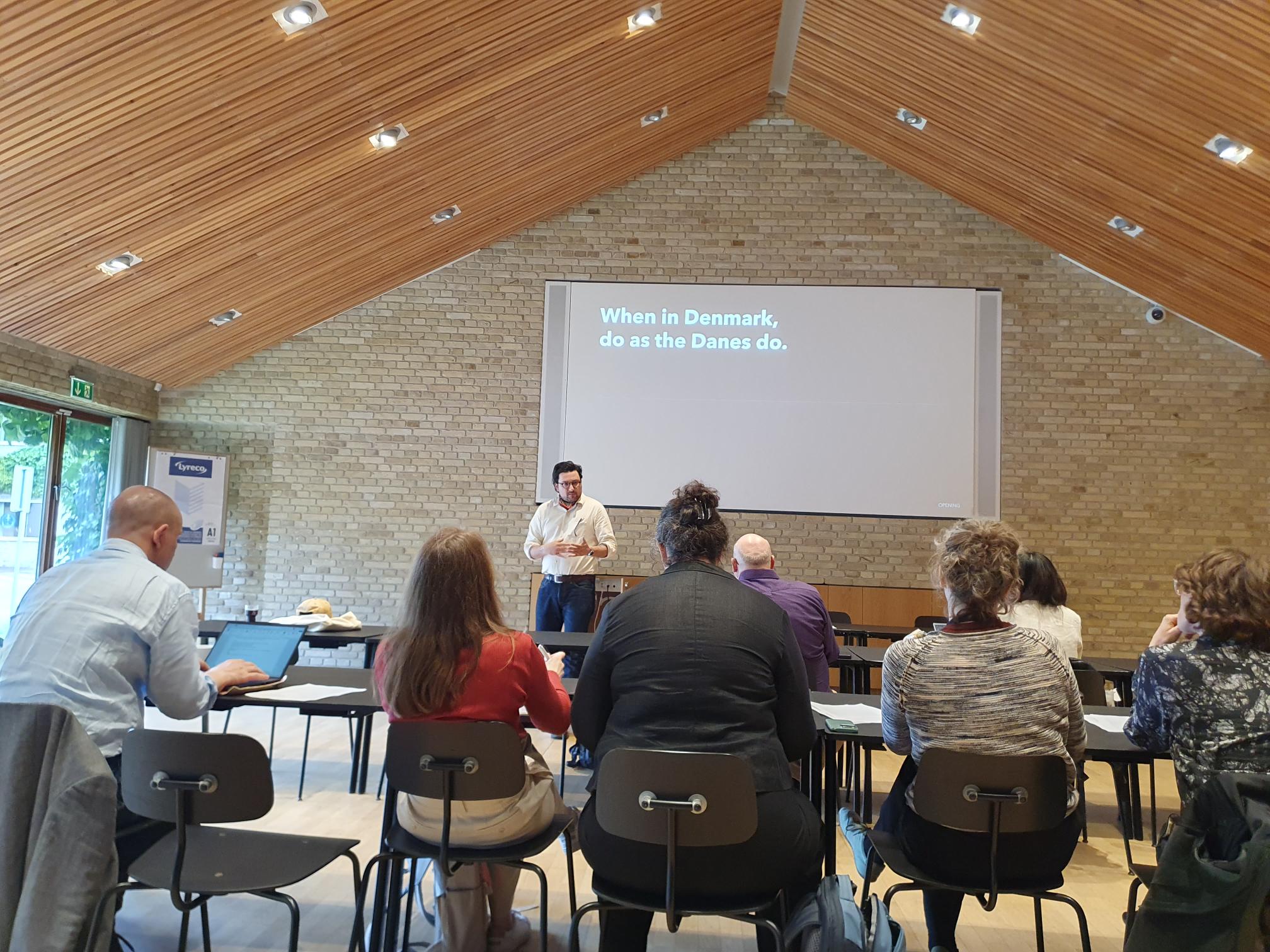
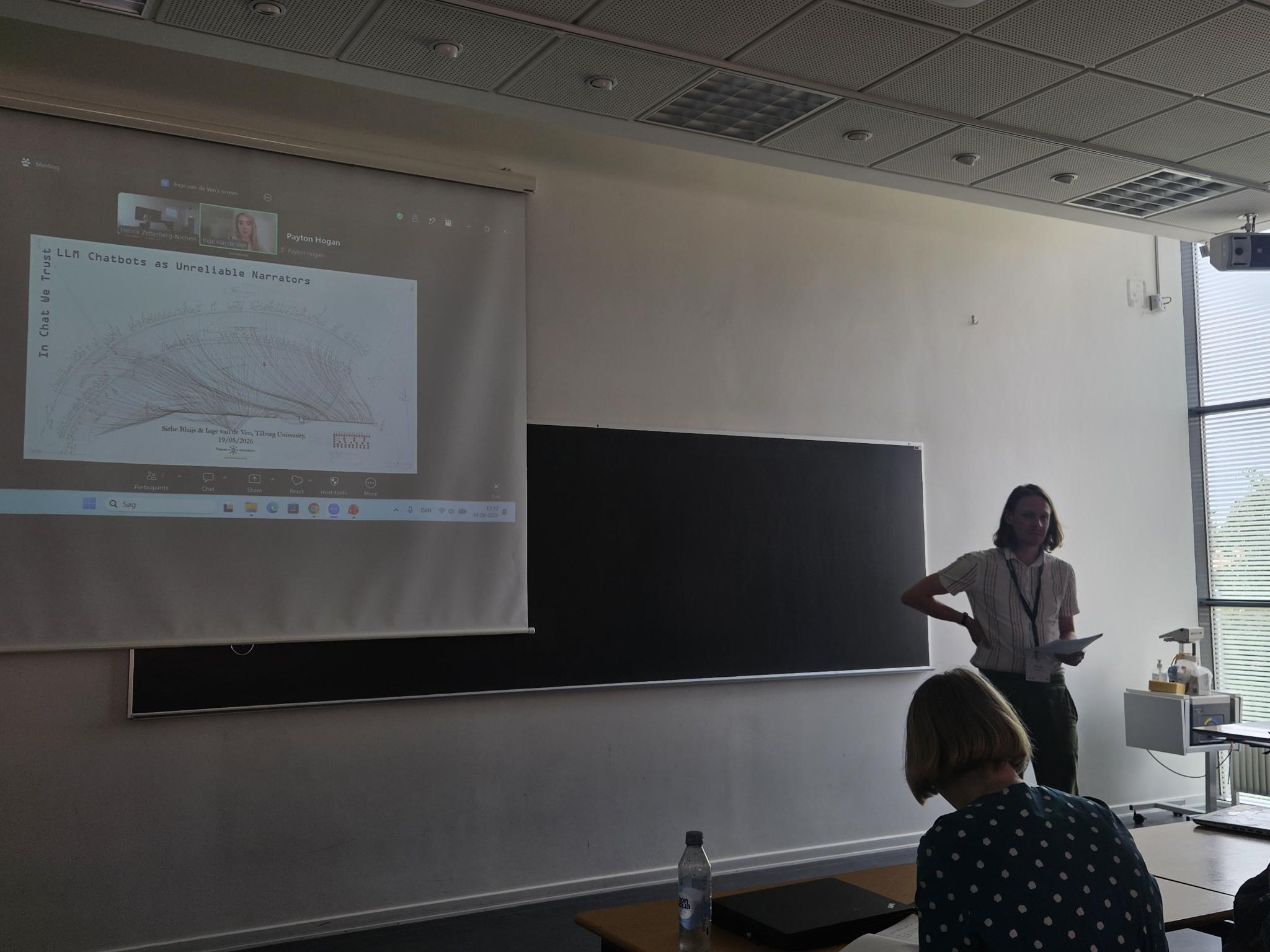
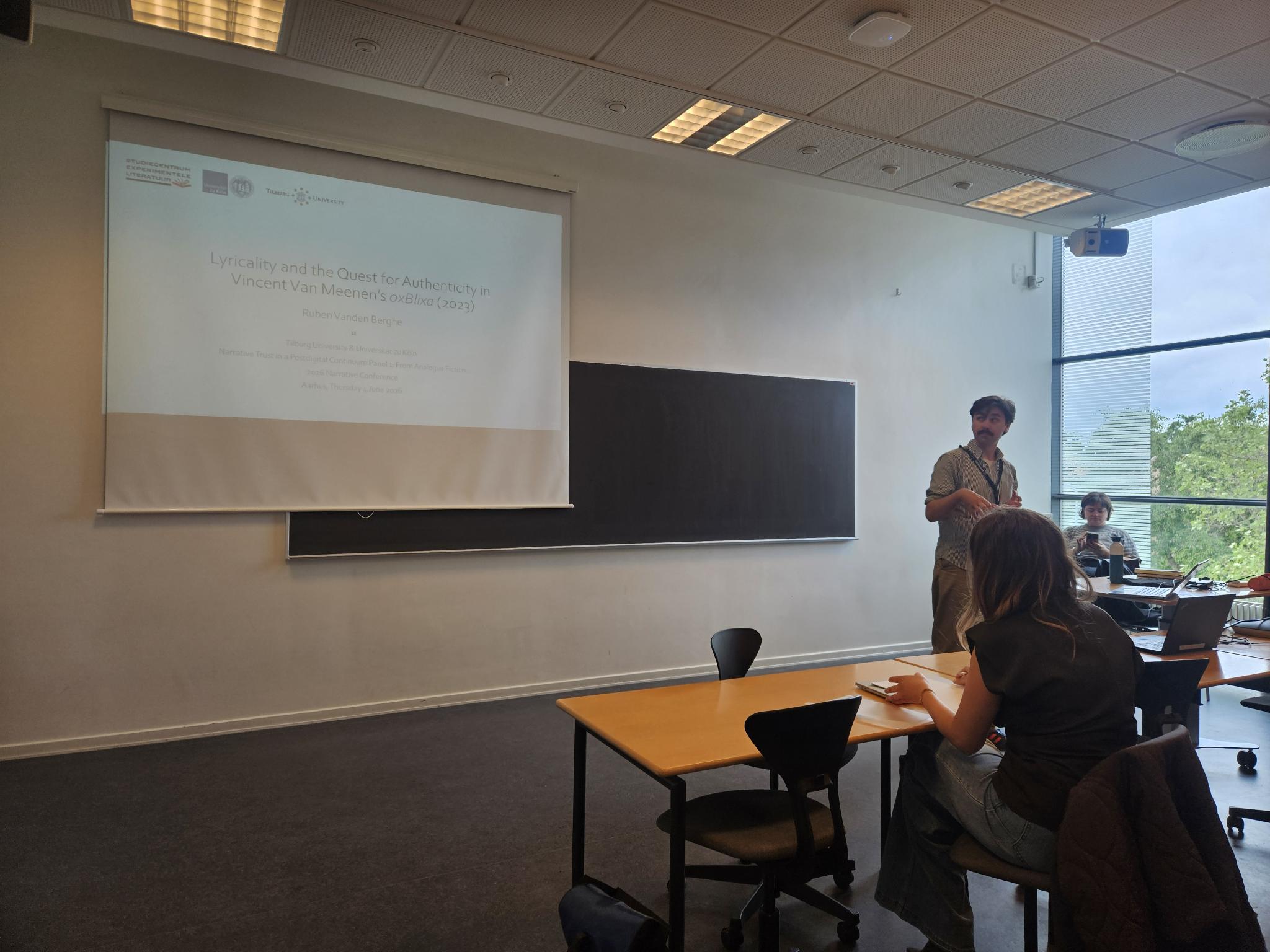
ISSN Aarhus 2026 - photo 1 ISSN Aarhus 2026 - photo 2 ISSN Aarhus 2026 - photo 3

A few network members got together for the double panel "Narrative Trust in a Postdigital Continuum: From Analogue Fiction to Digital Platforms", which examined how narrative trust is produced, destabilized, and redistributed in contemporary media culture. In the postdigital age, trust and reliability become relational and distributed phenomena that unfold across textual, readerly, and infrastructural layers, and the algorithmic systems that structure visibility and reception.

In their presentation, Siebe Bluijs & Inge van de Ven conceptualized LLM chatbots, such as ChatGPT and Gemini, as unreliable narrators. Drawing on James Phelan's three axes of unreliability, they showed that the unreliability of these chatbots is structural and rhetorical rather than incidental and intentional. In his talk, Ruben Vanden Berghe argued that 0xBlixa, a verse novel by Belgian author Vincent Van Meenen, mobilizes specific 'lyrical tendencies' to critically dramatize the mechanisms of distributed unreliability that underpin the contemporary 'story economy'. Relatedly, in a different panel, Bartosz Lutostański presented early findings from a comparative study of AI-generated fiction by ChatGPT and Polish language model PLLUM, showcasing these systems' (lack of) performance on narrative competencies and cultural specificity.

A big thank you to the other panelists and to everyone who attended. We look forward to continuing the discussion on postdigital narratives at upcoming events.

May 27-29 2026

Panel: Intermedial (Dis-)Connectivities in the Postdigital Age

At the 8th Biennial Conference of the International Society for Intermedial Studies (ISIS): The Politics of Intermedial Connectivity, Brussels.

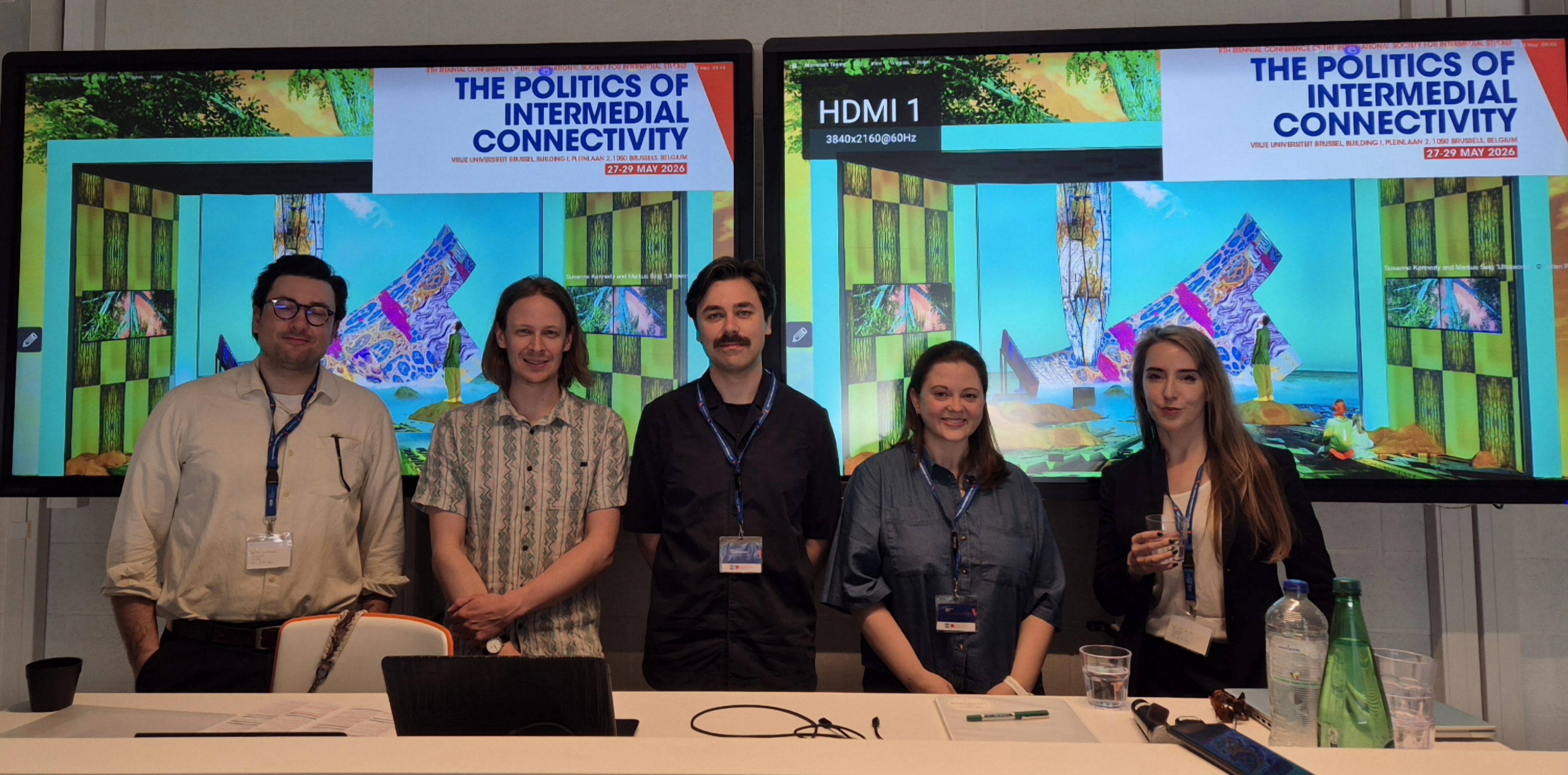
Panel at ISIS Brussels 2026

As part of its ongoing network activities, the Postdigital Narratives Network convened a panel at the 8th biennial conference of the International Society for Intermedial Studies, hosted by Vrije Universiteit Brussel in May 2026. The panel brought together four contributions from network members, united by the question of how the postdigital mediascape's constitutive ambiguity — simultaneously connecting and disconnecting, enabling and constraining — finds expression in intermedial aesthetic and narrative practices.

Anna-Lena Eick examined the intermedial strategies of contemporary print fiction in negotiating the tensions of the postdigital mediascape; Bartosz Lutostański explored the precarious paratextual afterlives of app fiction and the politics of infrastructural visibility; Ruben Vanden Berghe and Siebe Bluijs investigated the remediation of algorithmically generated language in contemporary poetry; and Inge van de Ven analyzed the dispersed intermedial dynamics of online self-narration. Across these diverse case studies, the panel examined how intermedial constellations negotiate affect, agency, and the uneven politics of connectivity that characterize contemporary postdigital media culture.

The panel generated productive discussions and underscored the relevance of both the postdigital and intermediality as frameworks for literary and media studies. We thank all panelists and participants for their contributions to what proved to be a stimulating exchange.

2024

Special Issue: Postdigital Cultures, Aesthetics and Politics

A thematic issue of ANGLICA: An International Journal of English Studies (33/2, 2024), Postdigital Cultures, Aesthetics and Politics, edited by Spencer Jordan, brings together scholars from literary studies, narrative theory, media studies, and digital humanities to examine the growing paradigmatic resonance of the 'postdigital' across the humanities. Addressing questions of ontology, materiality, aesthetics, and politics, the issue moves from postdigital theory and practice-research to analyses of narrative fiction, VR storytelling, digital writing, comics authorship, and social media engagement — exploring how hybrid digital/non-digital realities reshape cultural production and reception in the contemporary moment.

Network members involved: Alice Bell, Astrid Ensslin, and Bart Lutostański (contributions).